Increase the Revenues of Your Waste Company With the Tips Shared in Our Blog Articles
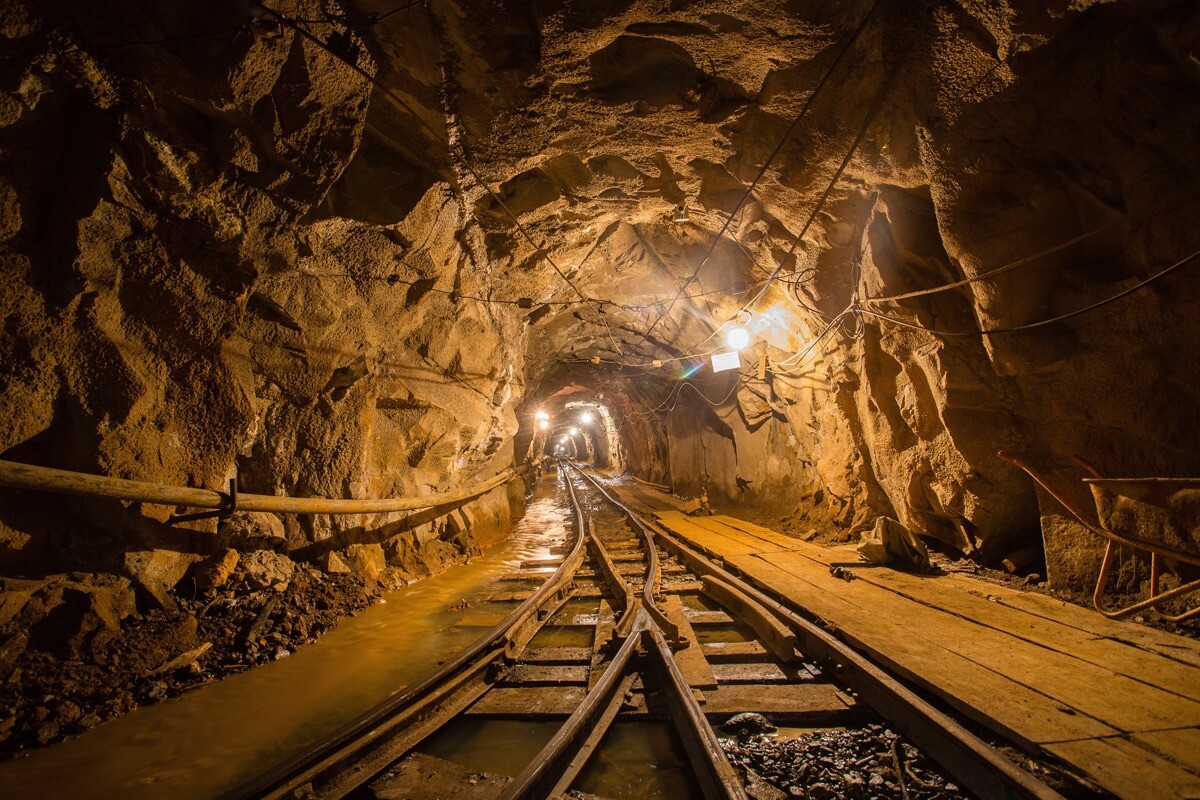
The $750 Billion Gold Rush Nobody Noticed: How E-Waste Is Becoming the New Mine for Waste Management Titans
Let me start with a number that should make every waste management company owner sit up straight like they just found a stack of unreported hundred-dollar bills in the back of their truck:
Over 10,000 tons of gold have been used in electronics since 1980.
Not mined.
Not stored in vaults.
Not traded on COMEX.
Used.
In circuit boards, processors, connectors, microchips, servers, telecommunication systems, smartphones, PCs, HVAC-control electronics, automotive modules… you name it.
At today’s prices, that’s more than $1,390 billion worth of gold locked inside devices your competitors are still treating like garbage.
And here’s the best (or worst) part:
Most of this gold is still sitting out there — in landfills, in warehouses, in forgotten drawers, in obsolete equipment, and in waste streams nobody bothers to touch.
If you’re in the waste management industry, pay attention.
What I’m about to say is the biggest business shift in your sector in the last 50 years.
This isn’t recycling.
This is resource extraction.
This is mining without a mine.
This is the biggest opportunity in your lifetime if you understand what’s happening right now.
Why Gold in E-Waste Is the New Frontier (And Why Almost Nobody Is Leveraging It)
Let’s get one thing out of the way:
Gold demand isn’t going down.
Gold mining output isn’t going up.
And geopolitical tensions are making the global supply chain more fragile than a first-generation smartphone battery.
Yet the tech industry keeps eating more and more gold every year.
Not for jewelry.
Not for banking.
But for connectivity.
For performance.
For reliability.
For the little micro-contacts that make every modern device actually work.
And because gold doesn’t corrode, companies use it even when cheaper metals could theoretically do the job.
Since 1980, electronics have consumed 8–12% of the world’s annual gold production — a steady, growing trend.
Here’s the kicker:
We’ve used over 10,000 tons of gold in electronics since then… but only recovered about 20–25% of it.
Do the math and you’ll understand the real reason I’m writing this:
We have 7,000–8,000 tons of gold still out there, unclaimed, unmanaged, and unmonetized.
At today’s price?
That’s half a trillion dollars sitting in waste streams.
Not in mines.
Not in banks.
Not in vaults.
In your territory.
The Harsh Reality: Most Waste Companies Are Letting Fortune Slip Into the Landfills
Let me be blunt — Dan Kennedy style:
The waste companies making the most money today are not the ones collecting the most tonnage.
They are the ones collecting the right materials.
Because here’s the cold truth:
The value of a ton of electronics is dramatically higher than the value of a ton of MSW.
Not a little higher.
Not double.
Not triple.
Try this:
A single ton of low-grade e-waste contains 350–450 grams of gold on average when properly processed.
That’s more gold per ton than many active gold mines.
Meanwhile, landfills across the U.S. are literally being fed with millions of devices every single day.
Devices nobody bothers to mine.
Devices nobody separates correctly.
Devices that, for the average waste operator, look like nothing more than another “HHW collection headache.”
But in reality?
They’re the richest ore body your company will ever see.
Gold, silver, palladium, platinum, copper, rare earths…
All flowing in, all ignored, all buried.
This is the part where Frank Kern would smile and say:
“If the opportunity is this big, why aren’t you doing it already?
And more importantly… what is it costing you NOT to?”
So let’s answer that.
Why Waste Companies Fail to Capture the Gold Rush (And How You Can Dominate It)
There are three reasons almost nobody in the waste industry has built a serious gold-recovery system.
1. They Don’t Know the Numbers (Now You Do)
If you don’t know gold is worth over $138 million per ton…
If you don’t know electronics have consumed over 10,000 tons since 1980…
If you don’t know global recycling captures only 20–25% of it…
Then you can’t possibly recognize the opportunity.
But now you know.
And once you know?
You can never un-know.
2. They Don’t Have a Strategy for E-Waste Segregation
Most waste companies still process electronics as:
random drop-off material
annual “special events”
inconvenient small loads
occasional items that go straight to shredding
But the gold isn’t captured during collection.
It’s captured during segregation.
If you can sort electronic waste by category, material, and value, you unlock the supply chain nobody else sees:
telecom boards
server backplanes
automotive PCBs
computer motherboards
smartphone microboards
connectors
gold-plated pins
Every category has its own value — and some of them pay more per pound than copper, aluminum, or stainless steel ever will.
3. They Don’t Position Themselves as Suppliers of Raw Materials
Most waste companies sell services.
But the future belongs to those who sell materials.
Not just metals.
Not just plastics.
Not just commodities.
But secondary raw materials (SRMs) ready for refiners and smelters.
Your company becomes not a collector… but a supplier.
The companies that shift to this model will own the next decade of the waste industry.
And the ones who don’t?
They’ll keep fighting over $12/month trash routes while others cash checks from gold refineries.
The Strategic Opportunity: Managing E-Waste to Secure Future Gold Supply
Let me state something in the most Dan Kennedy fashion possible:
If your company manages e-waste correctly, you will secure a share of the global gold supply — without ever digging a hole in the ground.
Think about that.
Mines are expensive.
Permits take years.
Geopolitics are unpredictable.
Environmental approvals are a nightmare.
Ore quality declines every year.
But e-waste?
It keeps growing.
It keeps coming.
And it keeps getting richer — because every new device uses more micro-components than the generation before.
Here’s the part the gold industry hates to admit:
The urban mine is now richer than the traditional one.
And guess who controls the gateway to the urban mine?
You.
The waste operator.
The collector.
The guy who decides what gets buried and what gets recovered.
Let me show you what that means in practice.
Numbers Waste Company Owners Should Tattoo on Their Office Wall
Gold used in electronics since 1980:
≈ 10,000 tons
Gold lost to landfills:
≈ 7,000–8,000 tons
Gold still recoverable:
≈ 2,000–3,000 tons
Market value of recoverable gold:
$270–$400 billion
E-waste gold concentration:
More per ton than many gold mines.
If your company handles even 1% of the electronic waste in your region and captures even 10% of the gold-bearing components…
You’re looking at a revenue stream that can transform your business forever.
The Real Question Isn’t “Is There an Opportunity?”
It’s This: “How Fast Can You Move Before Someone Else Does?”
Because here’s the uncomfortable truth:
There will be winners.
And there will be losers.
And the winners will be the companies that:
build targeted e-waste collection models
separate components by material and value
partner with the right refineries
establish themselves as regional SRM suppliers
move now while everyone else sleeps
The losers?
They’ll be the ones keeping things “business as usual.”
And in a market shifting this fast, “business as usual” is simply another way of saying:
“We’re okay letting millions slip through our fingers every year.”
But I know you’re reading this because you are not that company.
Let’s Wrap This Up: Here’s the Opportunity in One Sentence
The future gold supply doesn’t come from mines — it comes from e-waste.
And the companies controlling e-waste will control the gold.
If you’re ready to position your business not as a waste company,
but as a strategic extractor of high-value secondary raw materials,
then this is your moment.
The gold is already there.
The devices are already there.
The waste streams are already there.
All you need is the system to capture them.
And that’s where I can help you — because I’ve built these systems across three continents, and I know exactly what works and what doesn’t.
If You Want to Build a Gold Recovery Strategy Tailored to Your Company…
Then let’s talk.
Not someday.
Not “when things slow down.”
Not “when the time is right.”
Because the time is right now.
► Book your free 20-minute consultation with me:
https://sambarrili.com/schedule-free-20min-call
Waste companies who move now will dominate the next decade.
Those who don’t will watch others take what could have been theirs.
The gold rush is happening again.
This time, it’s not in rivers.
It’s not in mountains.
It’s in your waste stream.
And the only question left is:
Are you ready to claim your share?
To Your Success
Sam Barrili
The Waste Management Alchemist

© 2026 Marketing4waste - All Rights Reserved,
Marketing4Waste is a brand of MiM MarketingInterimManagers LLC
+1 801 804 5730